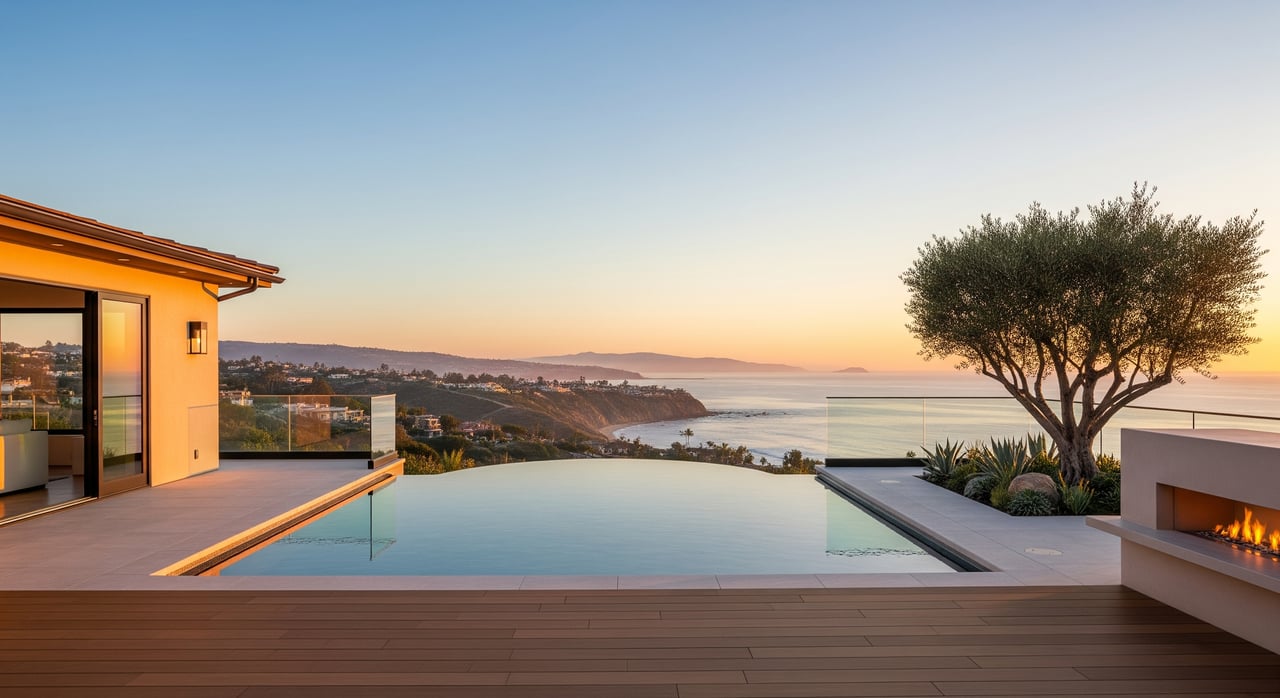
Is an ocean view worth it, or will a sunny hilltop suit you better? If you are weighing neighborhoods in Laguna Niguel, the answer comes down to how you live day to day and where you see value growing over time. You want the breeze and panorama without the surprise of extra maintenance or a tougher commute. In this guide, you’ll learn how microclimate, access, and value trajectory shape the choice between ocean-facing ridgelines and inland hilltops, plus what to verify before you buy. Let’s dive in.
Ocean-view vs hilltop at a glance
- Ocean-facing ridgelines bring cooler mornings, more marine layer in late spring and early summer, and milder summer highs. Inland hilltops often feel warmer and sunnier, especially in the mornings.
- Views command a premium, but permanence matters. Verify easements, open-space protections, and nearby entitlements that could change sightlines.
- Maintenance differs. Expect more wind exposure on ridges, potential salt-air corrosion closer to the coast, and wildfire or slope considerations on some hilltops.
- Access varies by pocket. Some ridge communities have quick connections to CA‑73, I‑5, or 241, while other hilltops require winding neighborhood drives.
- HOAs often manage slopes, walls, and view corridors in ridge communities, which can mean higher dues and more architectural rules.
Microclimate and daily comfort
Laguna Niguel’s ocean-facing ridges feel the Pacific. Morning marine layer, especially in late spring and early summer, can bring cooler, cloudy starts and a milder afternoon. Inland hilltops, particularly those above the inversion, may see more morning sun and slightly warmer daytime highs.
Wind exposure increases with elevation and open ridgelines. Stronger winds can cool outdoor spaces but also wear umbrellas, plants, and exterior finishes more quickly. Solar exposure also matters. South and west slopes capture more sun, which can be ideal for solar panels, while north and east slopes trend cooler and shadier.
If outdoor living is central to your lifestyle, test it. Visit early morning and late afternoon on multiple days to experience light, wind, and temperature shifts first-hand.
View quality and view permanence
Ocean and canyon panoramas are powerful value drivers. Many buyers will pay more for a clear ocean horizon and sunset orientation. Yet view quality is not guaranteed forever. Landscaping, future construction, or public works can change what you see.
Before you fall in love with a view, verify the legal and physical context. Ask for recorded view easements, conservation or open-space designations, and any city planning overlays that limit development behind or below the home. Review HOA CCRs and architectural guidelines for vegetation height limits and construction rules that help preserve view corridors.
A simple step that pays off: request a parcel map highlighting designated view lots and any recorded easements, plus the last five years of HOA reserve studies and special assessments. This helps you understand both permanence and cost.
Maintenance, hazards, and insurance
Different settings carry different obligations. Hilltop and brush-adjacent properties can face higher wildfire risk. Review Cal Fire Fire Hazard Severity Zone maps for any address you are considering and confirm local defensible space requirements. Ask for the property’s history of compliance.
Steep slopes and ridgelines require careful drainage. During inspections, have foundation, retaining walls, gutters, and slope runoff systems evaluated. After heavy winter rains, ridgelines may be more exposed to erosion or shallow slope movement, so a geological or soils report is wise when the home sits on or below a steep slope.
Closer to the coast, salt air can accelerate corrosion on metal fixtures, railings, exterior lighting, and HVAC components. Plan for more frequent repainting or replacement intervals. It is also smart to speak with insurance brokers early to compare coverage and premiums for wildfire, wind, and salt-air exposure by specific ZIP code and address.
Access, commute, and daily convenience
Laguna Niguel’s ridge pockets vary in connectivity. Some communities are designed for quick access to CA‑73 (toll), I‑5, or the 241 corridor, which can shorten commutes to Irvine, Santa Ana, and Anaheim. Other hilltops involve more winding roads and longer drives to major arterials, which add time during peak hours.
Run drive-time checks during your actual commute windows. Test routes to daily needs like groceries and medical services. If transit matters, review OCTA options and park‑and‑ride locations that fit your routine.
HOA scope and lifestyle
Many view and hilltop neighborhoods sit within HOAs that maintain slopes, trails, entry features, and perimeter walls. This can protect neighborhood presentation and, in some cases, view corridors. It can also mean higher monthly dues and more detailed architectural review of exterior paint, hardscaping, satellite dishes, and solar installations.
Ask for recent HOA meeting minutes, reserve studies, fee histories, and any special assessments. Understanding the HOA’s financial health and rules helps you avoid surprises and gauge long-term costs.
Neighborhood snapshots: what to verify
Use these notes as a starting point and confirm details during due diligence.
Niguel Summit
Higher elevations here are commonly associated with wide ocean vistas. Some streets may be more wind-exposed, and certain subdivisions can include gates and active HOA management. Ask about any documented view easements and recent slope or retaining wall work.
Key verifications:
- HOA architectural guidelines and landscaping rules that affect view preservation
- Reserve study findings related to slope maintenance
- Access to CA‑73, Crown Valley Parkway, and typical peak travel times
Marina Hills
Marina Hills spans a range of elevations, from sheltered streets to hillside locations with broader views. Proximity to coastal amenities is a draw, and microclimates can vary block by block. Check how local wind patterns and salt exposure affect specific streets.
Key verifications:
- Distance and drive times to Dana Point and harbor amenities
- Variations in elevation within the tract and related wind exposure
- HOA scope for common-area slopes and trails
Monarch Point
Monarch Point often sits at the upper reaches of local ridgelines, with privacy and broad panoramas as hallmarks. Elevation and slope require attention to drainage and driveway grades. Confirm HOA responsibilities for shared slopes and any restrictions that affect exterior improvements.
Key verifications:
- Road grades and driveway access for everyday use
- Drainage plans, erosion controls, and any recent repairs
- HOA maintenance scope and past special assessments
Resale dynamics and pricing signals
Appraisers treat ocean views as a marketable amenity, but the right comparable sales must match view quality, lot position, and condition. Premiums vary by tract and market cycle. In tight seller markets, strong views can attract multiple buyers. In softer cycles, buyers may prioritize price and condition over the view premium.
Liquidity can also differ. View homes often draw a larger buyer pool, including second-home buyers and move-up buyers, while non-view hilltops may win on price per square foot, lot size, or interior layout. Risk factors that can reduce resale value include loss of view due to new construction or landscaping, hazard designations that affect insurance, and restrictive HOA rules that limit certain improvements.
To read signals clearly, compare sale price per square foot and days on market for similar homes within the same tract, separating ocean-view from non-view sales. Then weigh those findings against your holding period and improvement plans.
Buyer due diligence checklist
Use this list to compare ocean-view properties and inland hilltops side by side.
Physical and environmental
- General inspection with attention to foundation, retaining walls, drainage, gutters, and slope runoff
- Geological or soils report if the home is on or below a steep slope
- Cal Fire hazard review and local defensible-space history
- FEMA flood map check for any valley or drainage impacts
Views and legal protections
- Recorded view easements and open-space or conservation designations
- City planning overlays that restrict future development
- HOA CCRs and architectural guidelines, including vegetation height limits
- Neighboring lot entitlements or recent permits that could alter views
Costs and insurability
- HOA dues comparison and reserve study or assessment history
- Early insurance quotes for wildfire, wind, and salt-air factors
- Maintenance projections for repainting, metal fixtures, and erosion control
Market and valuation
- MLS comps that separate view vs non-view within the same tract
- Days on market and sale-to-list ratios by view category
- Property tax history and any Proposition 13 considerations with your advisor
Commute and access
- Peak-hour drive tests to Irvine, Santa Ana, and Anaheim
- Access to CA‑73, I‑5, and 241 from the specific pocket
- Transit or park‑and‑ride relevance if needed
Seller tips for view and hilltop homes
If you are selling, make the view tangible and the due diligence easy. Prepare time-stamped photos from morning, afternoon, and sunset to document the panorama. Gather recorded view easements, HOA disclosures, and any open-space or planning overlays that protect sightlines.
Disclose prior slope work, special assessments, or insurance claims tied to wildfire or drainage. Buyers will ask, and proactive transparency builds trust and shortens timelines.
How to choose: a simple decision framework
Start with your daily rhythm. Do you prefer cool, marine mornings and milder afternoons, or sunnier, warmer hilltop days? Then layer in access and noise. A five-minute routing advantage to CA‑73, I‑5, or 241 can outweigh a marginal view difference for many buyers.
Next, quantify view permanence and maintenance. Confirm easements and protections, and price in the cost of salt-exposed finishes, slope care, or defensible-space upkeep. Finally, look at value trajectory. Compare view and non-view comps within the same tract and decide how much of your budget should be in the view versus in square footage, lot, or upgraded interior.
Next steps with a local advisor
Choosing between an ocean-facing ridgeline and an inland hilltop in Laguna Niguel is about precision, not guesswork. With the right verification, you can secure the lifestyle you want and a value story you believe in. If you are ready to compare neighborhoods, secure off-market options, or prepare a property for market, connect with a trusted local expert.
For tailored guidance and discreet representation, reach out to Chris Sirianni. Schedule a private consultation.
FAQs
What microclimate differences should you expect between ocean-view ridgelines and inland hilltops in Laguna Niguel?
- Ocean-facing ridges are cooler with more marine layer and wind, while inland hilltops tend to be sunnier and warmer, especially in the mornings.
How much more do ocean-view homes cost in Laguna Niguel compared to non-view hilltops?
- Premiums vary by neighborhood and market cycle, so compare recent MLS comps for similar homes within the same tract to estimate the local view premium.
What should you review in an HOA when buying a view property in Laguna Niguel?
- Request CCRs, architectural guidelines, recent minutes, reserve studies, fee history, and any rules on vegetation height, solar, or exterior changes that affect views.
Are hilltop homes in Laguna Niguel at higher wildfire risk than coastal flats?
- Some hilltops near brush can carry higher risk; review Cal Fire hazard maps for the specific address and confirm defensible-space compliance history.
How can you protect an ocean view when purchasing in Laguna Niguel?
- Verify recorded view easements, open-space designations, and city planning overlays, and check neighboring lot entitlements that could alter the sightline.
Which commute routes best serve Laguna Niguel neighborhoods for work in Irvine, Santa Ana, or Anaheim?
- Test peak-hour access to CA‑73, I‑5, and 241 from the specific pocket, since ridges and hilltops can have very different drive times despite close distances.