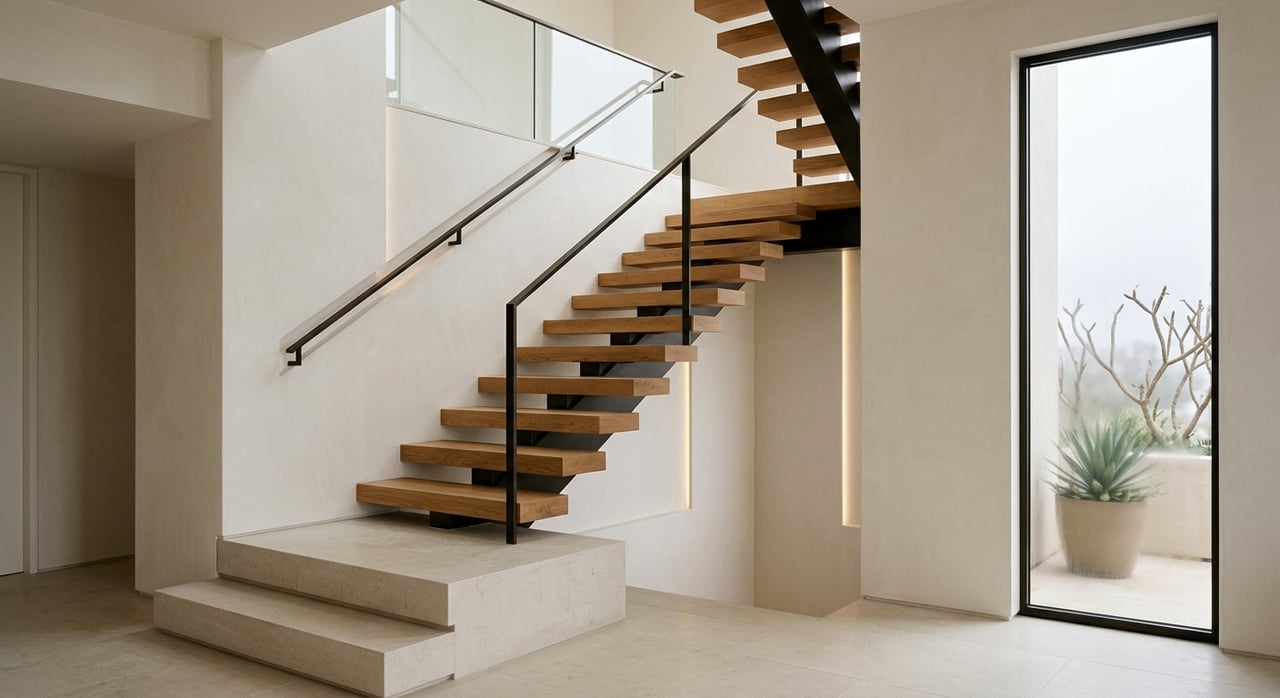
Selling an architecturally significant home in Laguna Beach is not the same as launching a standard luxury listing. Buyers in this market often respond to design pedigree, original materials, siting, and views just as much as square footage or finishes. If you want to protect the home’s story and position it well, your marketing plan needs to be thoughtful from the start. Let’s dive in.
Why architectural significance changes the strategy
Laguna Beach has a well-documented relationship with architecture, preservation, and place. City materials describe a small coastal town known for beaches, trails, a walkable downtown, summer art festivals, and a notable collection of older homes and buildings. The city’s Historic Resources Element ties preservation to civic identity, village atmosphere, and property values.
That matters when you bring a distinctive home to market. In Laguna Beach, architecture is often part of the property’s value story, not just a backdrop. A home with a clear design lineage, original character, or a meaningful setting usually needs a more precise and design-aware campaign than a generic luxury rollout.
Start with the home’s provenance
Before photos, copy, or showings, gather the property’s documentary record. For an architecturally significant home, that packet can shape pricing, positioning, and the entire marketing narrative.
Key items to collect include:
- Architect, designer, and builder information
- Approximate construction period
- Renovation timeline
- Any Historic Register or similar designation
- Notes on style, design influences, and site context
Laguna Beach’s preservation criteria specifically reference notable designers, distinctive architectural styles, unique locations, and iconic viewpoints. If a home is on the Historic Register, the city notes that registered properties receive a plaque identifying the approximate construction date and style, and the preservation agreement is recorded with the County and applies to future owners.
That kind of information helps qualified buyers understand what makes the property special. It also allows the marketing to stay factual, credible, and rooted in the home’s actual significance.
Highlight Laguna Beach architectural context
The city identifies several traditions that help define Laguna Beach’s built environment, including Craftsman, Bungalow, Beach Cottage, Period Revival, Moderne, and Eclectic styles. The Historic Resources Element describes Craftsman architecture as organically designed to harmonize with the natural setting. It also notes that the Beach Cottage style is indigenous to Laguna Beach and South Laguna.
For sellers, this means the home should be presented within its local architectural context. Instead of relying on broad luxury language, the campaign should explain how the property relates to Laguna Beach’s design history, landscape, and streetscape. That local framing can make the listing feel more authentic and more compelling to the right audience.
Document views early and correctly
In Laguna Beach, views are not a casual detail. The city states that outward views and sunlight contribute greatly to quality of life, which is one reason view documentation deserves early attention.
If views are important to the property’s value or identity, create a formal record before launch. Laguna Beach’s View Preservation process relies on city staff photographs taken from selected viewing locations inside the primary residential structure. The city does not allow personal photos for that process, and its View Restoration process does not accept altered photos or photos from real estate websites.
For marketing purposes, that means you should treat views as both an emotional asset and a documented one. A careful record can support the sales narrative while also helping preserve accuracy.
Build a materials inventory
Buyers drawn to architecturally significant homes often care about what is original, what has been restored, and what has been replaced. That is why a materials inventory can be so valuable before the home goes live.
Focus on features such as:
- Original siding
- Windows and doors
- Porches and exterior trim
- Roof form and roof materials
- Distinctive finish details
Laguna Beach design guidelines emphasize preserving original materials, repairing rather than replacing when possible, and replacing in kind when necessary. The guidelines also call for minimal visual impact from rooftop devices. In practical terms, those details should be photographed deliberately so buyers can see the home’s craftsmanship and integrity.
Verify permits before marketing begins
A beautiful story is not enough if the property file is incomplete. Before launch, check the permitting history and clarify any major work that has been done.
Laguna Beach states that permits are generally required before constructing, enlarging, altering, repairing, moving, demolishing, or changing a building or system. The city also notes that many projects require discretionary approval and professional guidance.
This step helps reduce surprises during escrow. It also gives you a cleaner, more confident presentation when sophisticated buyers start asking detailed questions.
Use editorial-style photography
Photos are no longer optional. According to NAR’s 2025 consumer research, 81% of buyers rated listing photos as the most useful feature in their online search.
For an architecturally significant home, the strongest visual approach is usually editorial rather than overly decorative. That means the media package should show how the home sits on the site, how the facade is composed, how materials age in the coastal light, and how indoor and outdoor spaces connect.
A strong shot list often includes:
- The approach to the home
- Front elevation and facade composition
- Close-ups of original or important materials
- View corridors from meaningful interior positions
- Outdoor rooms, terraces, and porches
- Interior-to-exterior transitions
In Laguna Beach, that style of presentation feels especially appropriate. The city’s public-art program describes art as something that reflects the city and its citizens, which supports a listing package that feels locally grounded and visually intentional rather than generic.
Stage to reveal, not distract
When a home has architectural pedigree, staging should support the architecture, not compete with it. The goal is to reduce visual noise so buyers can focus on proportion, light, materials, and flow.
NAR’s 2023 staging profile found that sellers’ agents most often recommend decluttering, deep cleaning, removing pets during showings, minor repairs, and professional photos. Those basics matter even more in a design-driven property, where distractions can pull attention away from the features that justify the home’s premium position.
Instead of forcing a one-size-fits-all luxury look, staging should respect the home’s character. In many cases, less is more.
Choose the right distribution strategy
Not every notable home should be marketed the same way. Some sellers want broad public exposure. Others prioritize discretion, timing, or a more controlled introduction to the market.
NAR’s current seller-policy framework includes office exclusive and delayed marketing exempt listings. An office exclusive is not disseminated through the MLS or publicly marketed. A delayed marketing listing can be marketed in ways that align with the seller’s needs and interests before full syndication. Both options require signed seller disclosures acknowledging the benefits being waived.
For privacy-sensitive sellers, that framework can support a curated rollout. In a market like Laguna Beach, where notable properties may attract interest based on architecture, views, or legacy ownership, controlled exposure can sometimes be a smart strategic choice.
Plan production logistics carefully
High-end media takes planning, especially in a city with specific filming and photography rules. If your campaign includes professional still photography, video, or drone work on City property, Laguna Beach requires film permits for those activities. The municipal code also requires a permit for commercial drone filming or still-photography production within city limits.
You should also address image rights before the shoot. NAR says the listing broker should own or have authority to publish listing photographs, so it is wise to clarify rights, reuse, and archival storage in advance.
This may sound technical, but it protects the campaign. It also ensures the listing assets can be used confidently across every approved channel.
Match the message to the buyer
An architecturally significant home usually attracts a narrower audience than a standard luxury property. That is not a drawback. It simply means your marketing should speak directly to buyers who value design, authenticity, setting, and long-term significance.
In Laguna Beach, the right buyer may respond to a home’s relationship to the land, its original material palette, or its place within the city’s architectural history. A well-crafted campaign helps those buyers recognize the opportunity quickly.
This is where a tailored approach matters most. The goal is not to make the home appeal to everyone. The goal is to present it so the right buyer sees why it matters.
A preservation-aware launch wins trust
The most effective marketing plan for an architecturally significant home in Laguna Beach is usually a preservation-aware one. Document the pedigree. Verify the improvements. Photograph the materials and views with care. Then choose a distribution strategy that fits the seller’s goals for privacy, reach, and timing.
That kind of preparation does more than create a polished listing. It builds trust with serious buyers and protects the story that makes the property valuable in the first place.
If you are preparing to sell a notable home in Laguna Beach, a tailored strategy can make all the difference. For discreet guidance, thoughtful presentation, and high-touch representation, schedule a private consultation with Chris Sirianni.
FAQs
What makes a home architecturally significant in Laguna Beach?
- In Laguna Beach, significance may relate to architectural style, notable designers, unique location, iconic viewpoints, age, or the home’s role in the city’s historic built environment.
Why does provenance matter when selling a Laguna Beach home?
- Provenance helps buyers understand the home’s architect, builder, construction period, renovation history, and any historic designation, which can strengthen credibility and positioning.
How should views be handled when marketing a Laguna Beach property?
- If views are important, they should be documented early and accurately because Laguna Beach has formal view-related processes that rely on city staff photography from specific locations inside the home.
What details should sellers photograph in an architecturally significant home?
- Sellers should photograph original materials, facade composition, siting, view corridors, porches, outdoor spaces, and interior-to-exterior transitions so buyers can appreciate the home’s design integrity.
Can a Laguna Beach luxury home be marketed privately?
- Yes. Depending on the seller’s goals, an office exclusive or delayed marketing strategy may support a more discreet rollout, with the required seller disclosures in place.
Do you need permits for listing media in Laguna Beach?
- If the campaign uses professional photography, video, or drone work on City property, Laguna Beach requires film permits, and commercial drone filming or still-photography production within city limits also requires a permit.