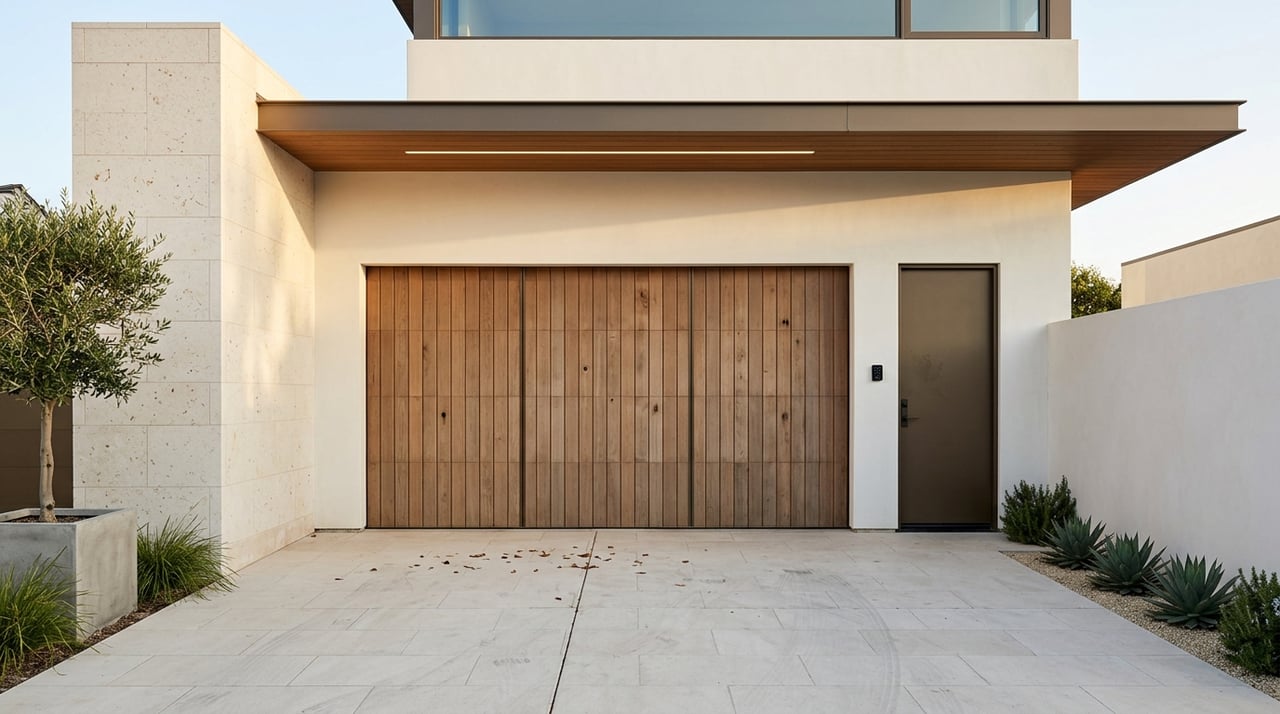
If you want a coastal home that feels effortless when you arrive and manageable when you leave, Newport Coast deserves a close look. Many buyers are drawn to the views, the privacy, and the polished setting, but the real appeal for lock-and-leave living is more practical. In this guide, you’ll see why Newport Coast works so well for part-time owners, what the HOA structure actually covers, and what to verify before you buy. Let’s dive in.
Why Newport Coast Works
Newport Coast is part of the City of Newport Beach, which describes the area as a community of newer homes, upscale hotels, the Pelican Hill Golf Course, and nearby Crystal Cove State Park. Newport Beach also notes that the city has eight miles of ocean beach, which helps explain the area’s draw for buyers who want a coastal base they can enjoy throughout the year.
For lock-and-leave buyers, the lifestyle benefit is not that ownership becomes maintenance-free. The advantage is that many communities are structured around gated entries, association-managed common areas, and amenity systems that support a lower-touch ownership experience.
That distinction matters. You still own a home, not a hotel suite, but the surrounding community infrastructure can make day-to-day oversight much easier when life pulls you elsewhere.
What Lock-And-Leave Really Means
In Newport Coast, lock-and-leave living usually means you can step away from the property for stretches of time without needing to manage every shared-area detail yourself. That can include gate operations, common landscaping, certain security systems, parks, and other association-maintained features.
It does not mean every responsibility disappears. You still need to understand your home’s maintenance needs, your insurance responsibilities, and the exact line between what the association handles and what remains yours.
That is where due diligence becomes essential. In Newport Coast, the HOA setup is layered, so a polished exterior and a guard-gated entrance only tell part of the story.
Newport Coast HOA Structure
The Newport Coast Community Association’s 2024 audited financial statements show 1,638 residential units across 20 subdivisions. The same statements identify five major gate cost centers: Ocean Ridge, Pelican Hill, Pelican Crest, Coastal Canyon, and Ocean Heights.
This means Newport Coast is not one simple HOA with one all-inclusive fee. Instead, many properties sit within a master-association framework plus additional gate-related or sub-association responsibilities tied to a specific enclave.
The association’s budget categories include maintenance, management, administration, security systems, access gates, landscaping, parks, and reserve funding for future major repairs and replacements. For 2024, the master assessment was $138 per month per unit, rising to $142 in 2025. Homes inside gate cost centers also paid additional assessments connected to those gate budgets.
The reserve language is equally important. The association documents state that if reserve funding is not enough, the board can increase monthly assessments, pass special assessments, or delay replacements until funds are available.
What The HOA May Help Cover
For many buyers, this is where Newport Coast becomes especially appealing. A large share of the shared exterior burden is handled through the association structure, which can reduce the amount of hands-on oversight required for common infrastructure.
Depending on the specific community and HOA layer, that may include:
- Access gates and related systems
- Certain security infrastructure
- Shared landscaping
- Parks and common recreational areas
- Management and administrative support
- Reserve planning for future common-area repairs
The key phrase is depending on the specific property. You should never assume that two homes in nearby enclaves have the same fee structure, maintenance scope, or amenity access.
Pelican Enclaves And Low-Touch Living
The Pelican-side neighborhoods are especially relevant for buyers seeking a refined second-home experience. Newport Coast master association financials specifically reference Pelican Hill and Pelican Crest gate cost centers, while the Ocean Ridge cost center includes Pelican Ridge Community, Pelican Ridge Estates, and Pelican Ridge Maintenance.
That tells you these enclaves are part of a structured and layered system, not just a collection of luxury addresses. For a buyer, that usually translates into more formalized operations around gates, shared areas, and community upkeep.
FirstService Residential described Pelican Ridge Maintenance Corporation as a 92-home, 24-hour guard-gated community with on-site staff support and access to Newport Coast amenities such as an Olympic-sized pool, clubhouse, tennis and basketball courts, and tot-lots. The same source states that the homes average about 4,000 square feet and sit above Crystal Cove State Park with ocean and Catalina views.
Not every Pelican enclave is identical, and you should not treat one sub-association as a substitute for another. Still, this snapshot gives you a strong sense of the governance and amenity pattern that makes these communities attractive to buyers who want privacy, structure, and ease.
Crystal Cove For Part-Time Owners
Crystal Cove stands out for buyers who value both scenery and systems. The Crystal Cove Community Association is a 778-home single-family community in Newport Beach, and its official site highlights several features that support a more streamlined ownership experience.
Residents have a 24-hour staffed entry, guest and visitor management through Proptia, mobile credentials for pedestrian gates and Canyon Club doors, court reservations, and an owner portal for payments, service requests, and documents. Court reservations can be made up to two weeks in advance, are limited to two reservations in seven days per address, and are capped at 90 minutes each.
For a part-time owner, those details matter. Guest access, amenity reservations, and service requests can be handled through staffed systems and digital tools rather than requiring constant in-person coordination.
Crystal Cove also benefits from its setting next to Crystal Cove State Park. California State Parks describes the park as one of Orange County’s largest remaining examples of open space and natural seashore, with 3.2 miles of beach, about 2,400 acres of backcountry wilderness, hiking and biking trails, horseback riding, and a historic district with 46 vintage coastal cottages.
The Lifestyle Side Of Newport Coast
Lock-and-leave buyers are often looking for more than convenience. They want a home that feels worth the trip every time they return.
Newport Coast offers that balance well. You have a coastal setting within Newport Beach, proximity to Crystal Cove State Park, and the broader appeal of a destination known for ocean views, curated communities, and resort-adjacent living.
The Resort at Pelican Hill adds context to that appeal. The resort offers golf, spa, dining, villas, and concierge-style services, and it states that it is about a 15-minute drive from John Wayne Airport.
That combination helps explain why Newport Coast continues to resonate with second-home buyers and busy professionals. It delivers a polished arrival experience without giving up the feel of a true coastal neighborhood.
Due Diligence Before You Buy
If you are seriously considering lock-and-leave living in Newport Coast, the right questions can save you time and frustration later. The most attractive homes often sit inside the most layered ownership structures, so clarity matters.
Start with the HOA framework tied to the specific property. Ask which association layers apply, what the current master assessment is, and whether a gate cost-center fee or sub-association fee is also required.
Then ask what the budget and reserves support. The Newport Coast financial statements show real spending categories for gates, landscaping, lighting, pools, clubhouse facilities, and related common areas, and they also make clear that reserve shortfalls can lead to dues increases or special assessments.
Questions To Ask By Community
If you are evaluating a home in Crystal Cove, focus on day-to-day operations as much as the home itself. Good questions include:
- How does guest access work when you are away?
- How is on-site management staffed?
- What owner portal tools are available?
- What reservation rules apply to courts or clubhouse amenities?
If you are looking in a Pelican enclave, take a more layered approach. Ask:
- Is there a supplemental sub-association fee?
- What access credentials are needed for owners, guests, and vendors?
- How is entry handled when you are not in residence?
- What shared features are maintained at the community level?
These are simple questions, but they can reveal whether a property truly matches the low-touch lifestyle you want.
Newport Coast’s Best Fit Buyer
Newport Coast can be an excellent fit if you want a luxury coastal home that supports intermittent use without feeling transient. It is particularly appealing if you value gated infrastructure, established community management, and access to amenities that are maintained at a broader level.
It may be less ideal if you expect ownership to be entirely hands-off. Even in a well-run community, you still need to understand maintenance boundaries, dues, reserve health, and the practical realities of owning a high-value coastal property.
In other words, Newport Coast succeeds as a lock-and-leave market because it offers low-touch, not no-touch ownership. For the right buyer, that can be exactly the sweet spot.
If you’re exploring Newport Coast as a second-home market or looking for a gated coastal property that aligns with a lock-and-leave lifestyle, Chris Sirianni offers discreet, high-touch guidance shaped by deep Coastal Orange County knowledge and a concierge-level approach.
FAQs
What does lock-and-leave living mean in Newport Coast?
- It usually means owning in a community where gates, common areas, and some shared infrastructure are managed through an HOA structure, making it easier to leave the home for periods of time while still requiring you to handle your own property-level responsibilities.
How many HOA layers can a Newport Coast property have?
- A property may fall under a master association and also have additional gate cost-center or sub-association assessments, so you should confirm the exact structure for the specific home.
What is the Newport Coast master HOA assessment?
- The Newport Coast Community Association’s audited financial statements show a master assessment of $138 per month per unit in 2024, increasing to $142 in 2025, with possible additional assessments for certain gate cost centers.
What should buyers ask about Crystal Cove operations?
- Buyers should ask how guest access works, how the staffed entry and owner portal function, and what rules apply to amenity reservations such as courts and clubhouse facilities.
Why are Pelican enclaves popular for second-home buyers?
- Pelican-area communities are known for gated infrastructure, structured association management, and access to amenities that can support a more streamlined ownership experience.
Is Newport Coast truly maintenance-free for absentee owners?
- No, it is better described as low-touch rather than maintenance-free, because owners still need to budget for home-level upkeep, insurance, dues, and possible special assessments.