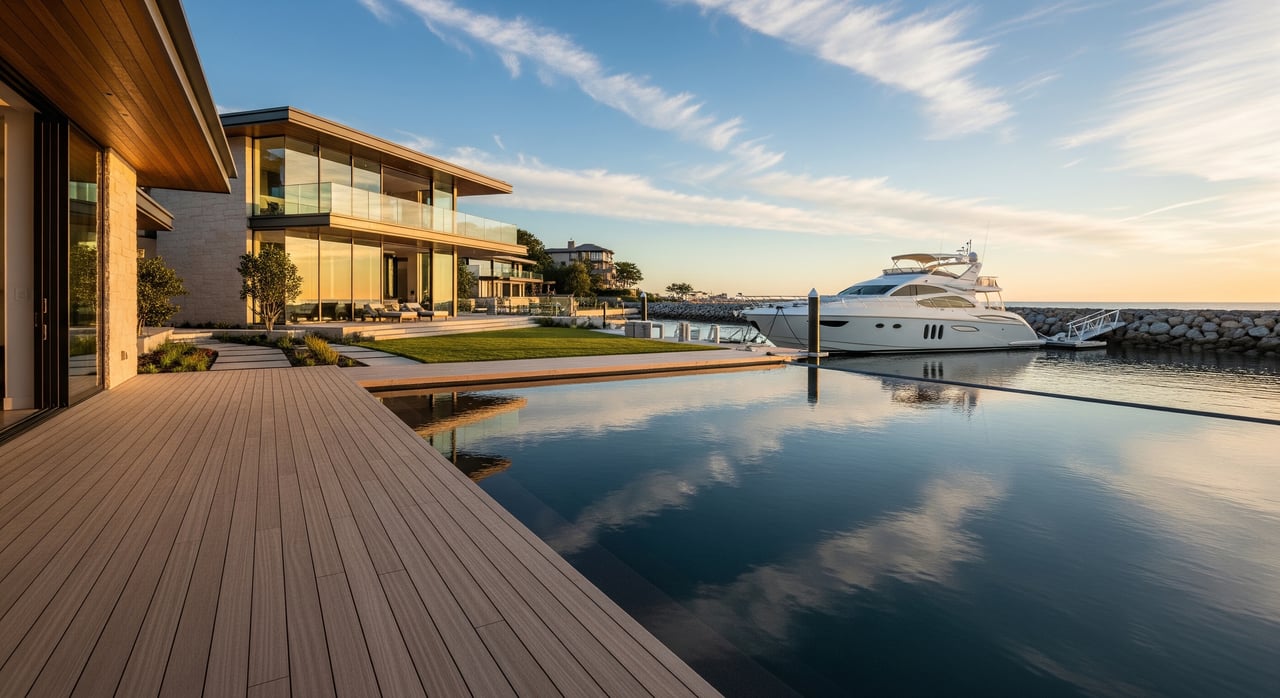
Do you picture dropping a paddleboard from your private dock, or stepping off your patio directly onto the sand? If you are drawn to Newport Beach, you likely see both scenes and wonder which lifestyle suits you best. The good news is that each offers a distinct rhythm, set of amenities, and long-term considerations. In this guide, you will compare harborfront and oceanfront living so you can decide with clarity and confidence. Let’s dive in.
Harbor vs. ocean: quick orientation
Newport Beach’s harborfront includes Balboa Island and Little Balboa, Lido Isle, and canal or bayfront stretches along Newport Harbor. You see protected channels, bridges, and a maze of calm waterways with private docks and slips. It is sheltered and ideal for boating, paddling, and in-harbor cruising.
Oceanfront living centers on the Balboa Peninsula and Pacific-facing bluffs. You find wide beaches, two historic piers, and famous surf breaks like The Wedge at the east end of the Peninsula. It delivers uninterrupted horizons, evening sunsets, and a beach-forward lifestyle.
Nearby areas shape daily life for both. Upper Newport Bay, also called the Back Bay, is a nature reserve with quiet paddling routes. Retail and dining hubs like Lido Marina Village, Fashion Island, and the Balboa Fun Zone anchor social and shopping routines.
Lifestyle contrasts that matter
Boating and marine access
If boating is your heartbeat, harborfront living gives you direct access. Many canal and island homes include private docks, which make weekend cruises, sailing, and paddle sessions simple. Calm water is friendly for families and new boaters, and yacht clubs and marinas create an active social calendar.
On the Peninsula, most oceanfront homes do not include deep-water docks. You can berth a boat nearby in marinas or trailer when needed. Reaching open water is straightforward through the harbor entrance, but swell and sandbars at the mouth can complicate small-craft launches.
Beaches and surf access
Harborfront areas lean toward calm-water recreation. You can swim in protected spots and paddle into the Back Bay. For wide beaches and surf, you typically plan a short walk, bike ride, or drive to the Peninsula.
Oceanfront puts the beach at your doorstep. You step straight onto the sand for sunrise walks, surfing, and sunbathing. The Wedge is renowned for powerful shore break that attracts experienced bodysurfers and plenty of spectators. Conditions vary by season, and some days are hazardous, so plan with care.
Rhythm and community
Harbor life is organized around docks and marinas. You see neighbors on evening strolls around small islands and canals, with yacht club regattas and casual dockside gatherings shaping the calendar. Streets feel intimate and pedestrian friendly.
On the Peninsula, the boardwalk, beaches, and piers draw steady energy. You mix with locals and seasonal visitors, and beachside dining is part of the routine. Public events and people-watching are part of the fun.
Noise, privacy, and crowds
Harborfront homes enjoy less surf and wind noise, with occasional marina or boat-engine activity. Narrow island streets and smaller blocks can feel private and residential, especially away from commercial nodes.
Oceanfront brings constant wave sound and more summer foot traffic. Piers and waterfront promenades add a public layer near private properties. If you love the hum of the beach, it is a feature. If you want quiet, you will want to test different timeframes before you commit.
Microclimate and views
Harborfront areas stay more sheltered, with slightly warmer, calmer evenings. Views feature boats, canals, and city lights reflecting on the bay.
Oceanfront is cooler and breezier, with occasional morning marine layer. The payoff is dramatic western exposure and daily sunsets over open water. On clear days, the horizon feels endless.
Home types and architecture
On the harbor, you find a mix of narrow canal cottages, custom estates, and multi-level homes with private docks. Some townhomes and low-rise condos include slips. Lido Isle operates with an HOA structure that oversees community standards and shared amenities.
Along the Peninsula and other oceanfront stretches, you see beach cottages and bungalows, mid-century remodels, and contemporary homes designed to maximize views. Lot sizes can be compact on the narrow spit, which increases density in select pockets and creates a vertical, view-forward architecture.
Costs, upkeep, and insurance
Waterfront brings a different maintenance rhythm. Salt air accelerates corrosion, so coastal-grade materials, frequent paint cycles, HVAC protection, and careful wood and deck upkeep are common.
Harborfront properties add dock, bulkhead, and seawall responsibilities. You should budget for dock maintenance, possible dredging, and slip lease or HOA-related dock fees where applicable.
Oceanfront homes can face erosion pressure on shoreline-adjacent structures. Seawalls, dune care in certain contexts, and exposure to wind and surf may increase long-term maintenance.
Insurance is a key factor for both. Many coastal homes require specialized coverage, and lenders may require flood insurance in FEMA flood zones. Premiums can be higher for low-lying areas, including parts of Balboa Island. Start insurance quotes early to avoid surprises and to compare policy structures.
- Explore long-range scenarios using the NOAA sea level rise viewer for broad context. Review interactive sea level scenarios.
- Check a property’s FEMA flood zone and base flood elevation with the FEMA Flood Map Service Center.
- For city guidance on resilience planning, permitting, and adaptation policies, review the City of Newport Beach resources and speak with staff.
Permits, docks, and access rules
Waterfront work usually involves multiple agencies. Docks, seawalls, and in-water projects can require city permits, potential Army Corps review, and California Coastal Commission oversight within the coastal zone. It is critical to understand timelines, documentation, and approvals before planning changes.
Clarify dock rights. Some slips are leased rather than owned. Confirm whether a dock or slip is deeded, transferable, or subject to HOA or marina agreements. For oceanfront lots, remember California’s Coastal Act preserves public access up to the mean high tide line. Check for recorded coastal-access easements on or near the property.
For policy background and permit guidance, visit the California Coastal Commission.
Parking, traffic, and getting around
The Peninsula attracts heavy summer traffic and parking demand near beaches and the Balboa Fun Zone. You may rely on permits, metered parking, and careful planning for guests. Harbor islands have narrow streets and limited guest parking, especially during peak seasons. The Balboa Island ferry is charming and useful, though it can create bottlenecks at busy times.
Walkability is strong on the Peninsula and harbor islands for beach and dining access. Depending on exact location, you may still drive for groceries and errands. Proximity to John Wayne Airport and Newport Center is a convenience if you commute or travel frequently.
Environmental and safety notes
Upper Newport Bay is an ecological reserve with limits on certain motorized activities. It is a haven for birding and paddling. After heavy rains, water quality advisories can affect harbor and ocean swimming. Check the Orange County ocean water quality advisories for current conditions.
Surf at the harbor mouth and The Wedge can be powerful and unpredictable. Always heed lifeguard guidance and posted advisories. For background on conservation and recreation, explore the Newport Bay Conservancy.
Which lifestyle fits you
Choose harborfront if you want:
- Private dock access or quick moorage for your boat.
- Calm-water paddling and kid-friendly harbor time.
- An intimate island feel with yacht club events and marina life.
Choose oceanfront if you want:
- Direct beach access, surf culture, and boardwalk energy.
- Panoramic ocean views and daily sunsets.
- Walkable proximity to piers, beachside dining, and public amenities.
Buyer checklist before you offer
Use this list to organize due diligence and prevent surprises:
- Confirm private dock or slip details. Is it deeded, transferable, or a lease?
- Pull FEMA flood zone status and get flood, wind, and home insurance quotes.
- Review recorded easements or public access along beach or harbor edges.
- Inspect seawalls, bulkheads, docks, and shoreline structures. Request repair history and remaining useful life.
- Verify HOA or island association rules, guest parking, dock management, and any special assessments.
- Ask about marina slip fees and waitlists if you need additional moorage.
- Understand zoning limits and Coastal Commission requirements for additions or rebuilds.
- Study recent comparable sales for the exact micro-location, such as canal vs bayfront vs oceanfront.
- Confirm school boundaries with Newport-Mesa Unified School District if schools are part of your decision.
- Visit at different times to gauge wind, noise, parking, and seasonal crowds.
- Align lender requirements with insurability and elevation data.
How to choose with confidence
There is no substitute for time on the ground. Walk the boardwalk at sunset, then stroll a harbor island after dinner. Visit on a weekday morning and a summer weekend afternoon. Talk with local marinas, yacht clubs, and island associations. Discuss remodel or rebuild goals with the City of Newport Beach planning staff early.
When you are ready to focus, you want a trusted local advisor who knows the micro-markets and private opportunities. With deep coastal expertise and discreet, concierge-level service, Chris helps you compare lifestyle tradeoffs, secure property-specific answers, and access both public listings and quiet, off-market options. If you are weighing harborfront versus oceanfront living, schedule a private conversation with Chris Sirianni to map your path.
FAQs
What is the main difference between harborfront and oceanfront living in Newport Beach?
- Harborfront centers on calm canals and private docks for boating, while oceanfront delivers direct beach access, surf, and wide open-water views.
Are harborfront homes better for boating than oceanfront homes?
- Yes, many harborfront properties include private docks and calm-water access, while oceanfront owners typically use nearby marinas or trailers for boat storage.
How does flood risk affect Newport Beach waterfront buyers?
- Flood exposure varies by location and elevation; check FEMA flood maps, obtain insurance quotes early, and review city resilience planning before making an offer.
What permits are needed to modify docks or seawalls?
- Waterfront work can require City of Newport Beach permits and California Coastal Commission oversight, with additional approvals depending on scope.
How busy does the Balboa Peninsula get in summer?
- Expect heavier beach traffic, limited parking near piers and the Fun Zone, and more pedestrian activity along the boardwalk during peak season.
Is The Wedge safe for casual swimming or bodyboarding?
- The Wedge is known for powerful, variable shore break suited to experts; always follow lifeguard guidance and avoid hazardous conditions.
What should I budget for waterfront maintenance?
- Plan for coastal-grade materials, frequent exterior care, and location-specific items like dock or seawall upkeep on the harbor and erosion exposure on the oceanfront.