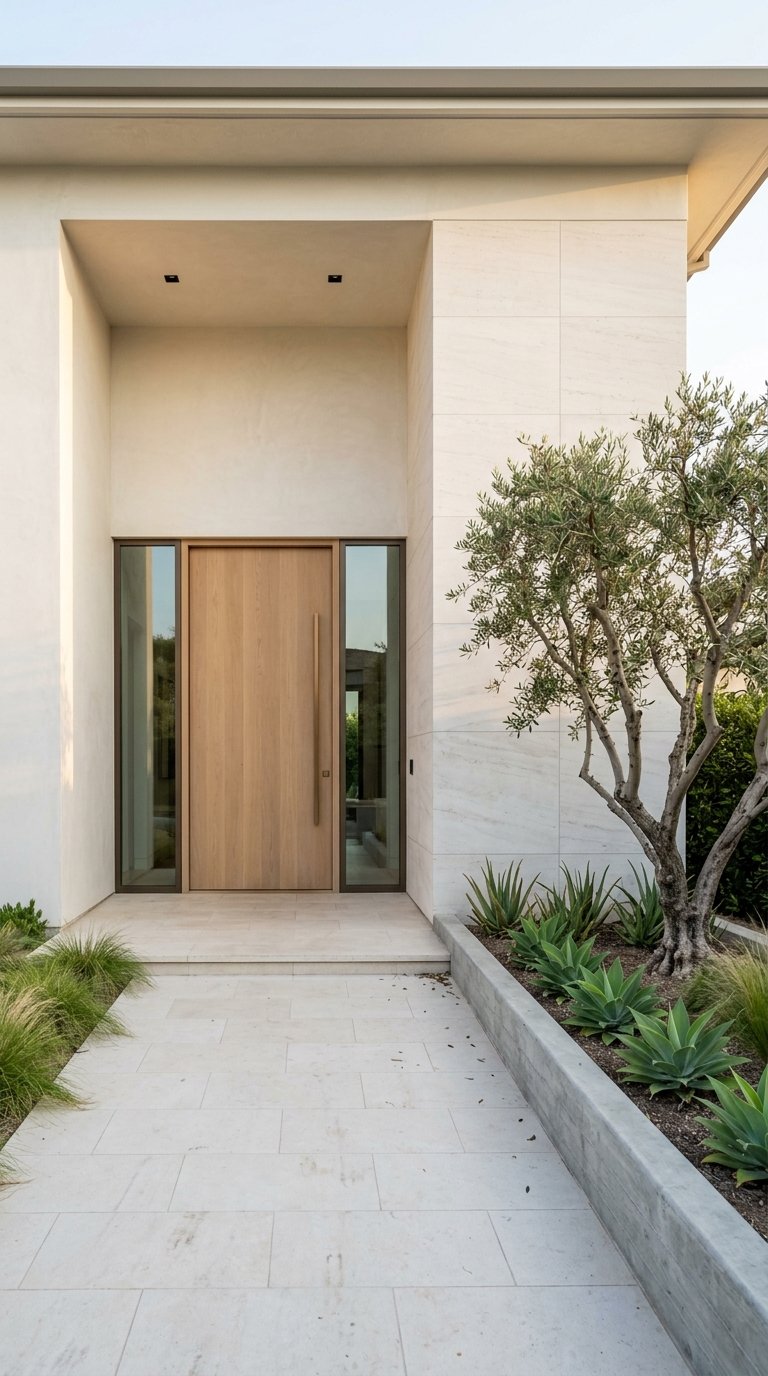
Privacy matters more than ever when you sell a luxury home in Newport Beach. In a market where homes often attract attention quickly and pricing already sits in a high band, many sellers are not just asking how to maximize value. They are also asking how to control visibility, manage access, and keep the process discreet. This guide walks you through the practical ways to do that, what the trade-offs look like, and how to build a sale strategy that protects both your privacy and your goals. Let’s dive in.
Why discretion matters in Newport Beach
Newport Beach is not a one-size-fits-all market. The city includes ten distinct neighborhoods and eight harbor islands, with luxury inventory concentrated in visible coastal enclaves such as Newport Coast, Crystal Cove, Corona del Mar, Balboa Island, Balboa Peninsula, and the harbor islands. In a setting like this, a well-known address or architecturally distinctive home can draw attention fast.
That visibility can be a benefit, but it can also create concerns. You may want to limit online exposure, reduce casual traffic, or avoid broadcasting a move before you are ready. For many owners, a discreet strategy is not about hiding a property. It is about managing how, when, and to whom it is introduced.
The market context supports that conversation. Recent public market data shows Newport Beach with a median sale price of $3,439,224 over the last three months ending April 2026, while Zillow reported an average home value of $3,709,420 as of April 30, 2026. In other words, sellers here are often navigating a luxury market where both presentation and buyer quality matter.
Your main listing options
When you want a more private sale, the first step is choosing the right listing structure. In Newport Beach, that decision needs to fit both your personal goals and CRMLS rules.
Office exclusive listings
An office exclusive listing is designed for sellers who want to keep a property out of the MLS and away from public marketing. Under CRMLS rules, this type of listing can be kept in Registered status, but if you exclude the property from the MLS entirely, public marketing cannot occur and written seller instruction is required.
This option can work well if your priority is confidentiality. It may allow the property to be shared more selectively through professional channels rather than broadly displayed across consumer-facing platforms. For a seller who values privacy above maximum exposure, that can be a strong fit.
Delayed marketing listings
Delayed marketing gives you a middle ground. The listing is filed in the MLS, but it is held back from IDX and syndication for a local period, which can help reduce broad public visibility while still making the property visible to agents with MLS access.
This approach often appeals to sellers who want controlled exposure without going fully off-market. It can support a more measured rollout while preserving some MLS-related benefits. It is also a useful option if you want time to prepare the home, align timing, or quietly test interest.
Coming Soon in CRMLS
CRMLS also offers a Coming Soon status, but it has clear limits. A Coming Soon listing may be publicly marketed, yet no showings or open houses can take place until the status changes to Active.
That means Coming Soon can help build controlled awareness, but it is not a showing period. If you want buyers to start touring the property, the status must be updated first. For luxury sellers, this can still be helpful when used as part of a carefully timed launch.
Public exposure versus private control
Every discreet sale involves a trade-off. The broader your exposure, the larger your potential buyer pool. The more tightly you control visibility, the more privacy you may preserve.
NAR notes that MLS exposure can help sellers reach the largest pool of prospective buyers and support price discovery. That is why full public marketing remains the standard recommendation when your top goal is broad reach and competitive market response.
At the same time, a discreet strategy can be the better fit when confidentiality, timing, or access control carries more weight. If you are selling a trophy property, a harbor-front home, or a residence with a very public profile, the right answer may not be maximum visibility. It may be the right visibility.
What discreet selling can look like
A private sale does not have to mean a passive sale. In practice, it usually means being more intentional about each step.
Appointment-only access
One of the simplest ways to protect privacy is to avoid broad showing windows. Instead of public open houses, you can use private, appointment-only tours with qualified buyers.
This keeps traffic lower and gives you more control over who enters the home. It also tends to create a more tailored experience for serious buyers, which is often a better match for a luxury property.
Limited photography and media
Luxury marketing usually depends on strong visuals, but that does not mean every detail needs to be public. A discreet strategy may include a smaller photo set, selective angles, or less identifying imagery.
That approach can reduce unnecessary exposure while still presenting the home professionally. It is especially useful for homes with recognizable architecture, visible collections, or highly personal interiors.
Tighter information circulation
In some cases, details about the property can be shared more selectively through a trusted professional network rather than pushed broadly across public portals. This is where boutique representation paired with institutional luxury reach can be valuable.
Coldwell Banker Global Luxury reports access to more than 93,000 independent sales associates in over 2,600 offices worldwide and a network spanning 50 countries. For a Newport Beach seller, that kind of reach can support targeted exposure without relying solely on mass-market visibility.
How to protect privacy inside the home
A discreet listing strategy should always be paired with a privacy-first preparation plan. Selling a home today often involves photography, video, inspections, appraisals, and repair visits, so it is important to think beyond just online marketing.
NAR’s privacy and safety guidance offers several practical steps that fit luxury sellers well:
- Remove family photos, mail, calendars, and other personal items
- Secure jewelry, firearms, medications, and sensitive valuables
- Clear away visible login information or device details
- Add a No Photography note when appropriate
- Use an electronic lockbox that records who enters and when
These steps help reduce risk while keeping the home ready to show. They also support a more polished presentation, which is essential when your goal is to attract qualified buyers without overexposing your private life.
Discretion still requires compliance
Privacy does not remove legal responsibilities. A quiet sale can limit public exposure, but it cannot bypass the rules that apply to residential transactions in California.
California disclosures still apply
California Civil Code Section 1102 applies to transfers of single-family residential property, and any waiver of those requirements is void as against public policy. The California Department of Real Estate explains that sellers must disclose the physical condition of the property and potential hazards or defects, while agents must disclose readily observable defects.
Natural hazard disclosure obligations may also apply under California Civil Code Section 1103.2. In short, selling quietly does not mean selling casually. A well-run private transaction still needs complete and disciplined disclosure.
Fair housing rules still apply
A discreet strategy must also remain fully compliant with fair housing law. Privacy tools are about managing visibility and access logistics, not excluding buyers or steering who gets an opportunity.
That distinction matters. The goal is to create a tailored process, not a selective one based on protected characteristics. A professional, well-structured approach protects both your interests and the integrity of the transaction.
How to choose the right strategy
The best approach depends on what matters most to you. Before choosing between office exclusive, delayed marketing, or a broader public launch, it helps to clarify your priorities.
Ask yourself:
- Is privacy more important than maximum exposure?
- Do you want to control when the home becomes publicly visible?
- Are you trying to minimize casual traffic through the property?
- Would a targeted network approach better match the home and buyer profile?
- Are you prepared to balance discretion with the possibility of a smaller initial audience?
If your answers point toward confidentiality, a more curated rollout may be the better fit. If your main goal is broad competition and price discovery, public MLS exposure may offer the strongest path.
Why local execution matters
In Newport Beach, nuance matters. A strategy that works for a harbor island residence may not be the right fit for a view property in Newport Coast or a custom home in Corona del Mar. Micro-market visibility, buyer behavior, and the property’s profile all shape how discreet marketing should be handled.
That is why luxury sellers often benefit from a tailored plan rather than a template. The right advisor can help you weigh exposure against privacy, present the property at the right level, and use both local relationships and curated luxury channels to reach serious buyers.
For many coastal Orange County sellers, the strongest outcome comes from balancing boutique discretion with meaningful reach. That means thoughtful media, controlled access, rule-compliant execution, and a marketing path aligned with your goals.
If you are considering a private or off-market sale in Newport Beach, Chris Sirianni offers a refined, high-touch approach built around local knowledge, discretion, and strategic luxury exposure.
FAQs
What is an office exclusive listing in Newport Beach?
- An office exclusive listing is a property that the seller directs not to be disseminated through the MLS or publicly marketed. Under CRMLS rules, written seller instruction is required if the property is excluded from the MLS entirely.
What does delayed marketing mean for a Newport Beach luxury home?
- Delayed marketing means the listing is submitted to the MLS but held back from IDX and syndication for a period of time, which can reduce broad public visibility while still allowing MLS access for agents.
Can you show a Coming Soon listing in Newport Beach?
- No. Under CRMLS rules, a Coming Soon listing may be publicly marketed, but no showings or open houses may occur until the listing status changes to Active.
Does a discreet home sale in California still require disclosures?
- Yes. California disclosure requirements still apply even when a home is sold privately or off-market, including disclosure of the property’s condition and certain hazards when required by law.
Is a private sale the best way to sell a Newport Beach luxury home?
- It depends on your goals. A private sale can help protect confidentiality and control access, while a public MLS listing may provide broader exposure and stronger price discovery. The right strategy is the one that best matches your priorities.
How can you protect privacy during a Newport Beach home sale?
- You can reduce privacy risks by removing personal items, securing valuables, limiting photography, using appointment-only showings, and using an electronic lockbox to track property access.